

Noongar Boodja Trust

The Noongar Land Estate
The Noongar Land Estate is all land transferred to the Noongar Boodja Trust (NBT) as part of the South West Settlement.
One of the cornerstones of the Settlement, the land held in the land estate will provide significant opportunities for the Noongar community to achieve sustainable economic, social, and cultural outcomes.
What types of land does it hold?
Different types of land can be transferred into it, including anything that is currently:
Unallocated Crown land (land owned by the State that isn’t being used for another purpose)
Unmanaged reserve (land owned by the State that has been reserved for a purpose but is not being managed)
Managed reserve (land owned by the State and managed by an appointed body, that the State no longer needs)
State freehold land (land owned by the State that it no longer needs)
Who owns the land?
The Noongar Boodja Land Sub Pty Ltd ( called the ‘Land Sub’ for short) holds all of the land assets of the Trust. The Land Sub has been set up so land assets can be easily transferred to a new Noongar-governed Trustee when the time comes.
Land can be either freehold or reserve. When the Settlement was negotiated, it was decided that up to 300,000ha will be reserve land and up to 20,000ha of the land will be freehold.
Reserve land (up to 300,000ha)
owned by the State, with management orders held by the Land Sub
like most land used for public purposes in WA, including parks, schools and churches
Freehold land (up to 20,000ha):
owned by the Land Sub
can be leased, developed or sold just like most land that is bought and sold in WA
Management orders provide care, control and management of the land. The Minister for Lands must approve any lease or licence over reserve land.
How is the land used?
Each parcel of land is placed into one of three funds, depending on its purpose:
Cultural Land Fund: to provide Noongar social, cultural and economic benefits now and into the future.
Development Land Fund: to generate positive financial returns for the Trust.
Housing Land Fund: to improve housing opportunities for the Noongar community.
Related guides
DPIRD guide to WA Land Tenure
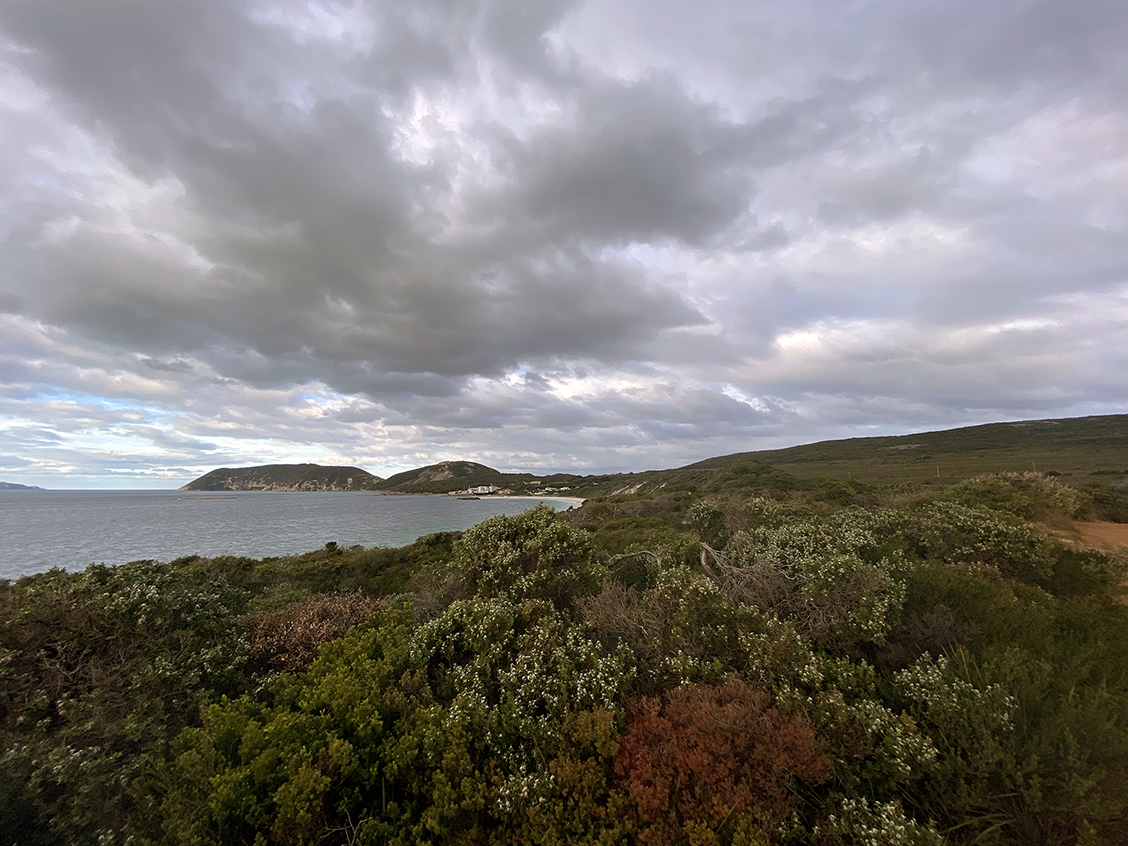
Noongar people are the traditional owners of Noongar Boodja and continue to have a living cultural, spiritual, familial, and social relationship with boodja.
About the NLE land funds
Cultural Land Fund
Land provides Noongar social, cultural and economic benefits.
Land is protected for the benefit of future generations.
The Trustee decides whether to onboard land, on request from the regional corporations.
Land is typically reserve land with a management order, but it can also be freehold.
Cultural land cannot be sold, but can be leased, sub-leased or licensed.
Regional corporations are responsible for managing the land through a lease.
Regional corporations benefit from social, cultural or economic activity.
Development Land Fund
Land generates positive returns for the regional corporations and the Trust.
Land is appropriate for development or commercial purposes.
The Trustee decides whether to onboard land, with advice from the Investment Committee.
Land is typically freehold.
Land can be sold or leased.
Trustee is responsible for managing the land.
The Future Fund and regional corporations benefit from profits.
Housing Land Fund
Land improves housing outcomes for the Noongar community.
Land is used to improve Noongar housing opportunities.
The Trustee decides whether to onboard land, with advice from the Investment Committee and Noongar Advisory Company
Land is typically freehold.
Land can be sold or leased.
A suitable housing management company or consultancy is responsible for managing the land.
Income raised remains in the housing land fund and used to improve housing outcomes for the Noongar community.